Family beach holiday guide

Best UK Beach Holidays for Families

The best UK beach holidays for families match the coast to your children’s ages, your travel budget and the amount of time they can handle in a car or on a train. A sheltered bay may suit a toddler, while teenagers may prefer surf lessons, paddleboarding and a town they can explore.

We compare family beach destinations from the viewpoint of travellers leaving Birmingham, Walsall and the wider West Midlands. You will find estimated journey times, beach conditions, accommodation choices, likely costs and wet-weather options.

Curved sandy beach with gentle waves and rows of colorful beach huts under a clear blue sky

Compare the coast

Best UK beach holidays for families: quick comparison

Norfolk

Best for: Broad beaches, younger children and family attractions

Suggested base: Hunstanton, Wells-next-the-Sea or Cromer

Drive from Birmingham: Around 2 hours 45 minutes to 3 hours 30 minutes

Drive from Walsall: Around 3 to 3 hours 40 minutes

Beach: Sand, tidal channels and large open spaces

Budget: ££

Best stay: Cottage or holiday park

Wet-weather choice: 4/5

North Devon

Best for: Surfing, bodyboarding and active families

Suggested base: Woolacombe, Croyde, Saunton or Barnstaple

Drive from Birmingham: Around 3 hours 15 minutes to 4 hours

Drive from Walsall: Around 3 hours 25 minutes to 4 hours 10 minutes

Beach: Long sandy beaches, Atlantic waves and strong currents in places

Budget: ££ to £££

Best stay: Holiday park or self-catering cottage

Wet-weather choice: 4/5

Dorset

Best for: Sheltered swimming, seaside towns and travel without a car

Suggested base: Weymouth, Bournemouth, Swanage or Poole

Drive from Birmingham: Around 2 hours 50 minutes to 3 hours 40 minutes

Drive from Walsall: Around 3 hours 10 minutes to 4 hours

Beach: Sheltered sandy bays, promenades and varied coastline

Budget: ££ to £££

Best stay: Hotel, apartment or town-based guest house

Wet-weather choice: 5/5

Isle of Wight

Best for: An island-style break with attractions for mixed ages

Suggested base: Sandown, Shanklin or Ryde

Drive from Birmingham: Around 2 hours 30 minutes to a mainland ferry port, plus check-in and crossing

Drive from Walsall: Around 2 hours 45 minutes to a mainland ferry port, plus check-in and crossing

Beach: Sandy resort beaches, coves and promenades

Budget: £££

Best stay: Holiday park or self-catering cottage

Wet-weather choice: 5/5

Camber Sands and Rye

Best for: Huge sandy space and a beach-and-town break

Suggested base: Camber or Rye

Drive from Birmingham: Around 3 hours 30 minutes to 4 hours 15 minutes

Drive from Walsall: Around 3 hours 45 minutes to 4 hours 30 minutes

Beach: Dunes, open sand, wind and a long tidal reach

Budget: ££ to £££

Best stay: Cottage, caravan or holiday park

Wet-weather choice: 3/5

Dartmouth and South Devon

Best for: Harbour scenery, boat trips and varied family days out

Suggested base: Dartmouth, Paignton, Brixham or Totnes

Drive from Birmingham: Around 3 hours 15 minutes to 4 hours

Drive from Walsall: Around 3 hours 30 minutes to 4 hours 15 minutes

Beach: Sandy coves, shingle shores and sheltered estuary water

Budget: ££ to £££

Best stay: Cottage, apartment or small hotel

Wet-weather choice: 4/5

Weston-super-Mare

Best for: A shorter West Midlands journey and a traditional resort

Suggested base: Weston-super-Mare

Drive from Birmingham: Around 1 hour 45 minutes to 2 hours 20 minutes

Drive from Walsall: Around 2 to 2 hours 30 minutes

Beach: Vast tidal beach with firm sand near the promenade

Budget: £ to ££

Best stay: Hotel, guest house or apartment

Wet-weather choice: 4/5

Our wet-weather scores reflect the choice of indoor attractions within the resort or a short drive. They do not rate the beach itself.


Before you book

How to choose a family beach holiday

Match the water to your children’s confidence

Toddlers benefit from sand, toilets close to the beach and a sheltered shoreline. Weymouth, Sandown and parts of Norfolk suit this type of trip in settled conditions.

Strong swimmers and teenagers may enjoy North Devon’s surf beaches. Croyde, Woolacombe and Saunton require more water awareness because Atlantic swell, rip currents and changing tides affect conditions. Choose a beach with an RNLI patrol and swim between the red and yellow flags.

No UK beach offers calm water on every visit. Wind, tide and weather can change a sheltered bay within hours.

Set a realistic travel limit

Weston-super-Mare gives many West Midlands families the shortest drive in this guide. Dorset offers a longer trip but better rail access, more town facilities and a wider choice of accommodation.

North Devon, Camber Sands and South Devon work best for stays of three nights or more. A long journey can consume much of a two-night break, especially on summer Saturdays.

The Isle of Wight adds ferry check-in, queuing and a crossing. Children may enjoy the ferry, but the extra stage raises the cost and extends the travel day.

Choose your accommodation around family routines

Holiday parks suit families who want entertainment, play areas, pools and food on site. Check which facilities your booking includes.

Self-catering cottages and apartments give you a kitchen, more space and control over mealtimes. Families with babies, dietary requirements or mixed-age siblings may save money through self-catering.

Hotels and guest houses reduce cooking and cleaning. A central hotel can also cut parking costs if you choose Bournemouth, Weymouth or Weston-super-Mare.

Caravans and lodges can offer strong value outside school holidays. Review heating, bed linen, towels and entertainment passes before comparing prices.

Check the beach route before booking

A property described as “near the beach” may sit above a steep hill or across a busy road. Ask the accommodation provider about steps, gradients, lift access and the route from the car park.

Families using wheelchairs or large buggies should check council access information and contact the beach operator. Sand often limits standard wheelchair access even when the promenade has a level surface.

gray folding chair

Seven coastal choices

Best UK family beach destinations

1. Norfolk: best for space and younger children

Norfolk gives families a choice between resort facilities and quieter natural beaches. Hunstanton has a promenade, food outlets and traditional amusements. Wells-next-the-Sea combines a vast sandy beach with dunes and pine woodland. Cromer adds a pier and a compact town centre.

Best beaches

  • Hunstanton: Good for resort facilities and promenade access
  • Wells-next-the-Sea: Good for sand, dunes and long beach walks
  • Cromer: Good for a traditional town base and low-tide sand
  • Holkham: Good for open space and nature-focused days

Wells and Holkham expose large areas of sand at low tide. Tidal channels can fill fast, so families should stay close to the main shore and follow local safety signs.

Family age fit

Hunstanton works well for younger children because families can reach food, toilets and amusements from the seafront. Older children may prefer cycling, paddleboarding under instruction or nature trips along the coast.

Travel from the West Midlands

The western Norfolk coast gives you the shorter journey. Cromer and the north-eastern coast add distance on slower roads. A stop around Peterborough or King’s Lynn can break the drive.

Rail travel often requires changes and a final bus or taxi, so a car gives families more freedom along the coast.

Accommodation and costs

Holiday parks near Hunstanton suit entertainment-led breaks. Cottages around Wells and Holkham often cost more during summer. Cromer has hotels, apartments and guest houses within walking distance of the seafront.

Expect a three-night family stay to start around £300 outside peak periods. School-holiday cottage prices can pass £900, depending on size and location.

Drawbacks and rainy-day options

Some beaches have long walks from the car park to the sea. Norfolk tides can expose a vast stretch of sand, and strong coastal wind can make a mild forecast feel cold.

Wet-weather choices include coastal museums, indoor play centres and attractions around Great Yarmouth or Norwich, depending on your base.

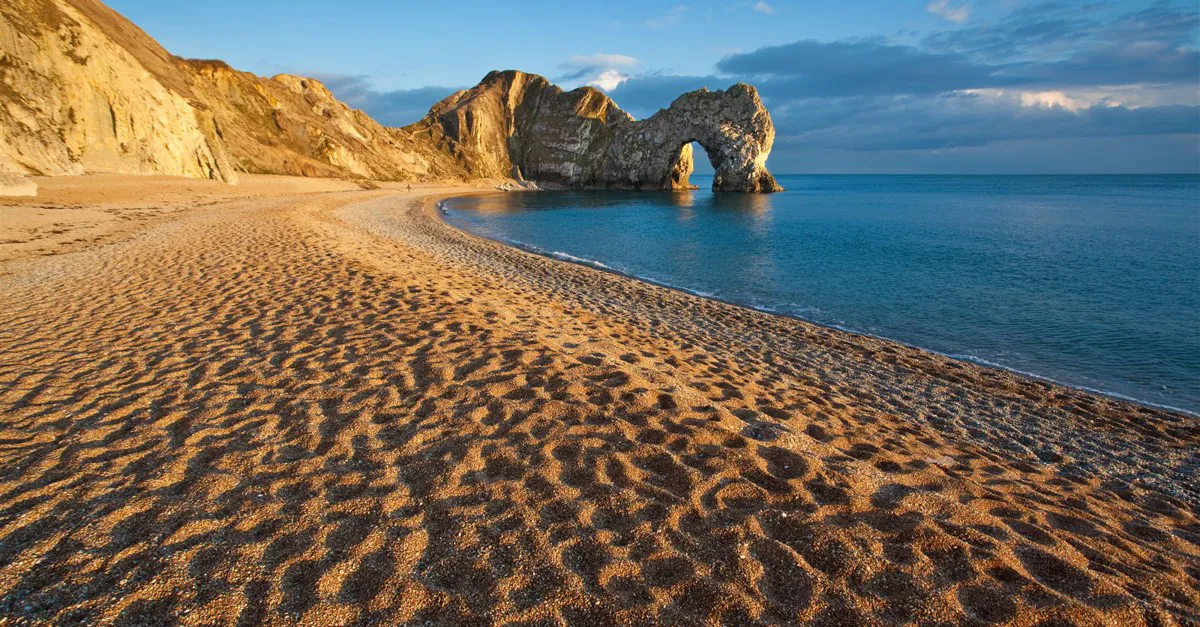
Curved sandy beach with cliffs and a natural rock arch over calm blue sea at sunset


a group of people standing on a beach next to surfboards

2. North Devon: best for surfing and teenagers

North Devon suits families who plan their break around the beach. Woolacombe, Croyde and Saunton have broad sandy shores, surf schools and space for bodyboards.

Best beaches

  • Woolacombe: Good for a long sandy beach and family facilities
  • Croyde: Good for experienced surfers and lessons with qualified instructors
  • Saunton Sands: Good for long walks and beginner surf sessions
  • Combesgate: Good for rock pools when tide conditions permit

Atlantic swell creates exciting conditions, but parents need to take rip currents and flag systems seriously. Choose an RNLI-patrolled section during the patrol season and follow lifeguard instructions.

Family age fit

School-age children and teenagers gain the most from North Devon. Surf lessons, coasteering with accredited providers and cycling give them options beyond paddling.

Families with toddlers can enjoy Woolacombe in fair weather, though the open coast may feel windy. Carry a windbreak and plan for the distance between your pitch, toilets and the water.

Travel from the West Midlands

Most drivers use the M5 before crossing Devon on A-roads. Summer traffic can add an hour or more near holiday changeover times. Plan a service stop around Gloucester, Bristol or Taunton.

Rail travellers can reach Barnstaple and continue by bus or taxi. This route takes more planning if you carry beach equipment.

Accommodation and costs

Holiday parks offer pools and evening entertainment. Cottages provide more privacy, while Barnstaple can offer lower room rates than Woolacombe or Croyde.

Three nights may cost around £350 to £700 outside peak summer dates. Larger cottages and sea-view properties can exceed £1,200 during school holidays.

Drawbacks and rainy-day options

Narrow roads, limited parking and summer congestion affect popular villages. Book surf lessons before arrival during school holidays.

Rainy-day options include Ilfracombe Aquarium, local museums, indoor pools and family attractions around Barnstaple.


3. Dorset: best all-round family beach holiday

Dorset combines sheltered resort beaches with rail access, promenades and indoor attractions. Weymouth offers a classic sandy bay. Bournemouth provides a long beach and a large town centre. Swanage has a smaller resort atmosphere near the Jurassic Coast.

Best beaches

  • Weymouth Beach: Good for soft sand, a central promenade and family facilities
  • Bournemouth Beach: Good for a long resort beach and town-based stays
  • Sandbanks: Good for shallow water in settled weather and watersports
  • Swanage Beach: Good for a compact seaside break

Weymouth’s bay often has gentler water than exposed Atlantic beaches, though wind and tide still affect conditions. Bournemouth and Boscombe have broad sandy sections, but cliff routes can involve steep slopes or lifts.

Family age fit

Weymouth suits toddlers and primary-school children. Bournemouth gives teenagers more shops, leisure facilities and watersports. Swanage suits families who want a smaller town and heritage attractions.

Travel from the West Midlands

Birmingham has direct train services to Bournemouth on many timetables. Weymouth may require a change, depending on the service. Travellers from Walsall can connect through Birmingham New Street.

Drivers face congestion near Bournemouth, Poole and Weymouth during sunny weekends. Book accommodation with parking or identify a long-stay car park before departure.

A day trip may work if you want a taste of the Dorset coast. Read our Bournemouth beach day trip from Birmingham guide.

Accommodation and costs

Hotels work well for short stays and car-free breaks. Apartments can cut meal costs, while holiday parks outside the main towns often provide more activities.

Three nights may start around £300 outside peak season. Central apartments and family hotel rooms can range from £550 to more than £1,200 during summer school holidays.

Drawbacks and rainy-day options

Parking costs, summer traffic and high peak-season room rates can raise the total. Some cliff access routes present problems for wheelchairs and buggies.

Dorset offers one of the strongest wet-weather selections in this guide, including aquariums, museums, cinemas, indoor pools and family attractions around Poole and Weymouth.


Couple watches ferries on the ocean.

4. Isle of Wight: best for an island-style family break

The Isle of Wight adds a ferry crossing without the airport process of an overseas holiday. Sandown and Shanklin provide sandy beaches, promenades and family attractions. Ryde gives foot passengers easy access from the ferry.

Best beaches

  • Sandown: Good for sand, a pier and resort facilities
  • Shanklin: Good for a traditional beach and nearby town
  • Appley: Good for open sand near Ryde
  • Compton Bay: Good for scenery and older children, with fewer resort facilities

Family age fit

Young children can enjoy Sandown’s sand and seafront. Older children have cycling routes, watersports and attractions across the island. Mixed-age families benefit from the short distances between many towns and visitor sites.

Travel and ferry planning

Drivers can use crossings from Southampton, Portsmouth or Lymington, depending on operator and route. Allow time for check-in and queues. Vehicle spaces sell out on popular summer dates.

Foot passengers can take a train to a ferry terminal and use island buses or rail services after the crossing. This option works best if you stay in Ryde, Sandown or Shanklin.

Our Isle of Wight bank holiday escape planning tips cover ferry timing and busy-period preparation.

Accommodation and costs

Holiday parks suit families who want on-site activities. Cottages work well if you plan to explore by car. Hotels near Sandown, Shanklin and Ryde support shorter breaks.

The ferry can add £80 to several hundred pounds for a return car crossing. Dates, vehicle size and booking time control the fare. Compare the combined accommodation and ferry cost before choosing an island stay.

Drawbacks and rainy-day options

The crossing limits flexibility if your plans change. Summer traffic can build around ferry terminals and popular attractions.

Indoor attractions, museums, animal centres and leisure facilities give families a strong wet-weather programme.


5. Camber Sands and Rye: best for dunes and open sand

Camber Sands has one of the largest sandy beaches in south-east England. Its dunes and open shoreline give children room for games, sandcastles and long walks. Rye adds cobbled streets, independent food shops and historic buildings.

Beach conditions and family fit

The beach suits children who want space rather than amusement arcades. Wind can make conditions suitable for kite sports in managed areas, but families need to respect local restrictions.

Tide changes can leave a long walk between the dunes and the sea. Currents and sandbanks demand care. Check tide times before setting up your beach base.

Travel from the West Midlands

The road journey crosses busy routes around London’s wider road network. Leave early and avoid peak Friday traffic where possible.

Public transport involves several stages, followed by a bus or taxi to Camber. A car gives you more freedom, though parking fills on hot weekends.

Accommodation and costs

Camber has holiday parks, cottages and caravan accommodation. Rye offers hotels and guest houses but requires a short drive or bus trip to the beach.

Three-night stays may start near £300 during quieter periods. Summer demand can push cottages and caravans above £900.

Drawbacks and rainy-day options

Strong wind, crowded car parks and limited shelter can affect a beach day. Rye offers museums and cafes, while Hastings provides more indoor attractions within driving distance.

unknown persons enjoying on beach


Person sitting by sydney harbour bridge at sunset.

6. Dartmouth and South Devon: best for varied family days

Dartmouth gives you harbour views, boat trips and access to beaches around the South Hams. Families can combine the coast with steam trains, historic sites and trips to Paignton or Brixham.

Dartmouth itself does not have a large resort beach. Choose it as a scenic base and travel to nearby coves or family beaches.

Best beaches

  • Blackpool Sands: A sheltered shingle beach with facilities during the main season
  • Goodrington Sands: A family beach near Paignton
  • Broadsands: A broad bay with nearby parking
  • Slapton Sands: A long shingle shoreline suited to walks and older children

Blackpool Sands shelves into deeper water and has shingle rather than soft sand. Families with toddlers may prefer Goodrington for a classic beach day.

Travel from the West Midlands

Drivers use the M5 and A38 before joining slower local roads. Summer queues can build around Torbay and narrow coastal routes.

Train travellers can reach Totnes, Paignton or Torquay. Dartmouth requires a bus, taxi or ferry connection for the final part.

Accommodation and costs

Dartmouth cottages command high prices in summer. Paignton and Torquay offer a broader range of hotels, apartments and guest houses. Families seeking value can stay inland near Totnes and drive to the coast.

Three nights may cost from £300 in a guest house outside peak periods. Summer cottages can exceed £1,300.

Drawbacks and rainy-day options

Steep streets and limited parking can complicate Dartmouth stays. Several nearby beaches use shingle, which may not suit children who expect soft sand.

Wet-weather choices include aquariums, steam railways, museums and indoor attractions around Torbay.


7. Weston-super-Mare: best lower-cost option from the West Midlands

Weston-super-Mare gives Birmingham and Walsall families a shorter route than Devon, Norfolk or the south coast. The town has a long promenade, a pier, cafes and a broad choice of guest houses.

Beach conditions and family fit

The Bristol Channel has a vast tidal range. The sea can retreat a long distance, and dangerous mud lies beyond marked safe areas. Follow seafront signs and do not walk out to chase the water.

The firm upper beach supports sand games and walks. Younger children may prefer the splash and play facilities near the seafront when the tide sits far out.

Travel from the West Midlands

The M5 provides a direct driving route. Birmingham also has rail services towards Weston-super-Mare, with direct trains on some schedules and changes on others.

Weston works for a day trip, a weekend or a lower-cost base for exploring Somerset.

Accommodation and costs

Guest houses and family hotels provide more budget choice than many small coastal villages. Apartments help families control food costs.

A three-night break can start near £250 outside peak dates. Bank holidays and sunny weekends raise rates.

Drawbacks and rainy-day options

The tidal range limits swimming times. The resort can feel busy during warm weekends, and central parking carries a charge.

The pier, museum, cinema and indoor leisure facilities give families several options during rain.

Find your best fit

Best destination for each family priority

Best for toddlers and a first beach holiday: Weymouth

The sandy bay, promenade and town facilities reduce the amount of equipment you need to carry.

Best for teenagers: North Devon

Surf lessons, bodyboarding and active days suit older children.

Best for the lowest overall cost: Weston-super-Mare

The shorter journey cuts fuel or rail costs, while the town offers a broad range of rooms.

Best for a short drive from Birmingham or Walsall: Weston-super-Mare

Good traffic can put the resort within two to two-and-a-half hours of much of the West Midlands.

Best for watersports: North Devon

Choose qualified instructors and follow RNLI guidance.

Best for accessible seafront facilities: Weymouth or Hunstanton

Both have central promenades and facilities near the resort beach. Confirm sand access, toilet provision and mobility equipment before travel.

Best for wet-weather activities: Dorset or the Isle of Wight

Both areas offer enough indoor attractions to fill more than one poor-weather day.

Best for a traditional seaside holiday: Weymouth or Weston-super-Mare

Both combine a promenade, food outlets and family attractions.

Best without a car: Bournemouth, Weymouth or Weston-super-Mare

Rail access and town-centre accommodation make these destinations easier for families carrying limited luggage.

photo of mother and child beside body of water

Planning ranges for 2026

How much does a UK family beach holiday cost?

A family of four might spend the following amounts on a three-night break

Accommodation

  • Budget guest house, caravan or basic apartment: £250 to £500
  • Mid-range hotel, cottage or holiday park: £450 to £900
  • Peak-summer cottage, sea-view hotel or premium lodge: £900 to £1,600+

Travel from Birmingham or Walsall

  • Fuel for a return journey: Around £45 to £120, depending on distance, vehicle and congestion
  • Rail fares: Around £80 to £300 for a family return, depending on route, railcards and booking date
  • Isle of Wight car ferry: Around £80 to several hundred pounds
  • Parking: Around £8 to £25 per day in popular resorts

Food, attractions and equipment

A self-catering family may spend £35 to £70 a day on groceries and simple meals. Restaurant meals, ice creams and seafront snacks can double that amount.

Family attraction tickets can cost £40 to more than £100 per day. Surf lessons, watersports and equipment hire sit outside most accommodation prices.

Ways to spend less

  • Travel in late May, June or September if school dates permit
  • Book school-holiday accommodation several months ahead
  • Choose a kitchen and prepare breakfast or packed lunches
  • Stay ten to twenty minutes inland
  • Compare parking costs before choosing accommodation
  • Plan free beach, walking and picnic days
  • Bring buckets, windbreaks and beach shoes from home
A row of beach huts sitting on top of a sandy beach

Prices vary by date, party size and booking terms. Treat these figures as planning ranges rather than quotes.

Leaving the West Midlands

Planning your journey from Birmingham or Walsall

Build traffic into the first day

Friday afternoons, bank holidays and summer changeover Saturdays create the longest queues. The M5 carries much of the traffic towards Somerset and Devon. Dorset routes can slow around Oxford, Bournemouth and local coastal roads.

Families driving for more than three hours should plan a stop before children become restless. Service areas around Gloucester or Taunton suit Devon routes. Stops near Peterborough suit Norfolk journeys, while Winchester or Southampton work for Isle of Wight ferry trips.

Use rail for town-based breaks

Bournemouth, Weymouth and Weston-super-Mare offer the most practical rail choices in this guide. North Devon and Norfolk require more changes or a bus for the final stage.

Families leaving Walsall often need to connect through Birmingham New Street. Check luggage space, platform changes and planned engineering work before booking.

Book ferries with care

The Isle of Wight requires a ferry or hovercraft crossing. Reserve a vehicle space during school holidays and arrive within the operator’s check-in window.

Jersey also needs a flight or sea crossing and sits outside the United Kingdom as a Crown Dependency. Ferries may leave from Poole or Portsmouth, while flight routes from Birmingham can change by season. Check passport or identity requirements, operator schedules and travel insurance before booking.

Arrive with a parking plan

Popular coastal car parks can fill before lunchtime on hot days. Save the car park address, opening hours and height restrictions before departure. Carry a second option in case your first choice reaches capacity.

Accommodation with parking may cost more per night but save money across a three or four-day stay.

Prepare for the coast

Family beach checklist and safety advice

Pack for sun, wind and rain

  • High-factor sunscreen and sun hats
  • UV-protective swimwear for young children
  • Refillable water bottles
  • Windbreak or beach shelter
  • Warm layers and waterproof coats
  • Towels, spare clothes and wet bags
  • Beach shoes for shingle or rock pools
  • Basic first-aid supplies
  • Portable phone charger
People relax on a sandy beach with a large cliff.

Check the beach before entering the water

Use RNLI and local authority information to check patrol dates, tide times and known hazards. Swim between red and yellow flags where lifeguards operate. Keep inflatables for pools unless lifeguards confirm safe conditions.

Children need close adult supervision near water, including paddling depth. Cold water can affect breathing and movement within minutes.

Plan toilets, food and changing

Check seasonal toilet opening times before choosing a quiet beach. Some remote beaches have no running water, food outlet or baby-changing facilities.

Carry enough food and water for delays. A collapsible bag keeps wet clothes away from dry layers.

Review buggy and wheelchair access

Promenades may offer level access while the beach itself remains soft, steep or shingle-covered. Ask about beach wheelchairs, ramps and accessible toilets before travel.

A baby carrier may work better than a buggy on dunes, steps and deep sand.

Check dog restrictions

Many resort beaches restrict dogs between spring and early autumn. Councils may set separate dog zones or require leads near promenades. Check the current signs and council guidance for your dates.

Useful answers before you travel

Frequently asked questions

man, woman, and child walking together along dirt road

What is the best UK beach holiday for young children?

Weymouth makes a strong choice for toddlers because the resort combines sand, a promenade, toilets, food and town facilities. Sandown, Hunstanton and Swanage also suit young families in fair conditions.

Check tide, wind and RNLI information on the day. Sheltered water can still become rough.

What is the closest family beach destination to Birmingham?

Weston-super-Mare often gives Birmingham families the shortest drive among the destinations in this guide. Traffic can change the journey, so check your route before leaving.

Which UK beaches have calm water and family facilities?

Weymouth, Swanage, Sandown and some Poole Harbour beaches can offer gentler conditions than exposed Atlantic surf beaches. Wind and tide still control the water. Families should use patrolled areas and follow local flags.

Are UK beach holidays cheaper than travelling abroad?

A UK break can cost less if you travel by car, choose self-catering accommodation and avoid peak dates. Summer cottages, attraction tickets and restaurant meals can push the price above a package holiday abroad.

Compare the full cost, including travel, parking, meals and activities.

Which destinations work best without a car?

Bournemouth, Weymouth and Weston-super-Mare offer rail links, central accommodation and seafront facilities. Ryde, Sandown and Shanklin can also work through rail, ferry and island bus connections.

Remote parts of North Devon, Norfolk and South Devon require more planning without a car.

Where is best for teenagers?

North Devon suits teenagers who want surfing, bodyboarding and active days. Bournemouth offers watersports, shops and town entertainment. The Isle of Wight gives mixed-age families a broad choice of attractions.

What is the best month for a UK beach holiday?

June often offers long daylight hours before the main school-holiday rush. July and August bring the highest chance of warm beach weather along with the largest crowds and highest prices.

September can suit families with pre-school children. Sea temperatures may remain mild, while accommodation rates can fall after the school term starts.

What should families check before booking accommodation?

Check the route to the beach, parking, stairs, kitchen equipment and room layout. Ask whether your price includes bed linen, towels, entertainment passes and cleaning fees.

Families should also review cancellation terms and travel insurance. Our UK family travel safety guide covers more pre-holiday checks.

Travel from Birmingham or Walsall

Plan your UK family beach break

people walking on beach during daytime

Share your preferred dates, departure point, family size, children’s ages and budget with us. We can help you compare destinations and discuss suitable Trips and Tours options from Birmingham or Walsall where available.

Choose the coast that fits your family’s pace, rather than the beach with the longest list of attractions. A manageable journey, workable accommodation and the right water conditions will shape the whole break.

Plan your family beach break